
You do not need to recognize every word on a Korean restaurant menu. Knowing a few dish names—and what to ask before ordering—can make the first meal much easier to plan.
Start with three names you are likely to encounter in travel guides: bibimbap, bulgogi and samgyetang. Treat them as starting points for a conversation about the menu, rather than promises that every restaurant makes the same version.
In this guide
At a Glance
Bibimbap: Check the Toppings and Sauce
Bulgogi: Ask About the Meal Around It
Samgyetang: Confirm the Version Being Served
Five Questions Worth Keeping on Your Phone
Learn More in Seoul: Hansik Space E:eum
How to Get There
Before Your Next Meal
At a Glance
| Dish name | What the name helps you recognize |
|---|---|
| Bibimbap | A rice dish mixed with vegetables and other toppings, often served with chili paste |
| Bulgogi | Thinly sliced beef prepared with a sweet soy-based marinade |
| Samgyetang | A young chicken soup, traditionally made with ingredients such as ginseng, garlic, jujubes and glutinous rice |
Dish descriptions are based on the Korea Tourism Organization’s traditional food introduction and Korean food stories. These are background descriptions, not ingredient lists for a particular restaurant.
Bibimbap: Check the Toppings and Sauce
Think of bibimbap as a dish to understand before you mix it. Ask what toppings are included and whether the sauce comes separately. A vegetable-filled bowl does not, by itself, tell you everything about the recipe or preparation.
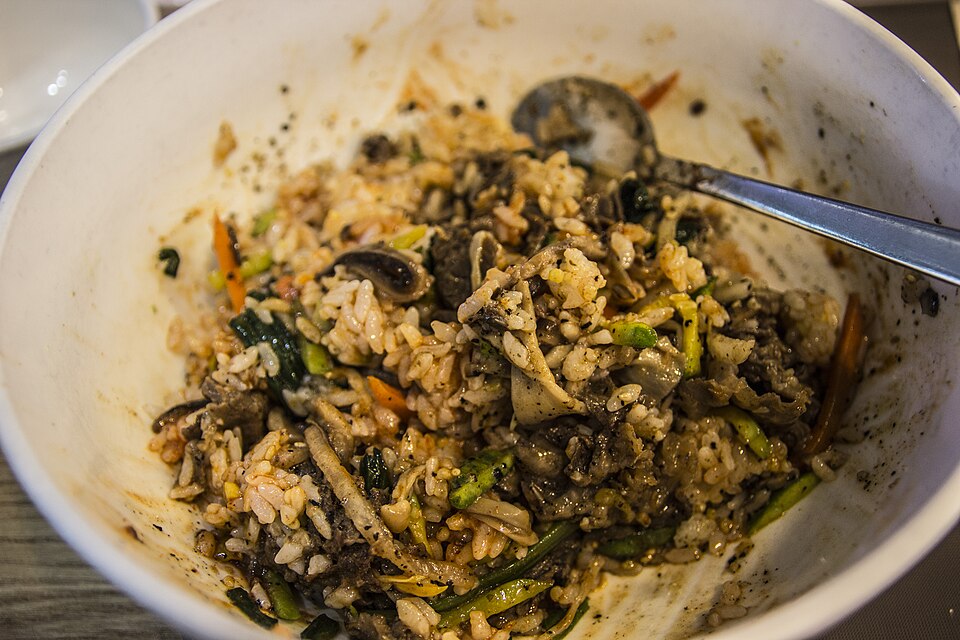
If you are ordering with someone else, check whether you are choosing one bowl each or a meal designed to share. Ask about the version actually offered on the menu; the photo above is a reference for the dish, not a serving-size guide.
Bulgogi: Ask About the Meal Around It
The tourism introduction describes bulgogi as marinated beef. The useful next questions concern the order in front of you: is the price per person or per plate, is rice included, and is there a minimum order? Those details affect the meal budget more than knowing the dish name alone.
Check the complete description instead of assuming that every menu item containing the word “bulgogi” is identical. If ingredients or preparation matter to you, ask the restaurant directly before ordering.
Samgyetang: Confirm the Version Being Served
Korea Tourism Organization describes samgyetang as a young chicken simmered with ingredients including ginseng, garlic, jujubes and sweet rice. That is useful background, but the restaurant’s own recipe and current menu remain the relevant details for your order. Korean food stories.
Ask what is included and how the portion is intended to be served. A familiar dish name is a starting point; it is not a substitute for asking about anything you need to avoid.
Five Questions Worth Keeping on Your Phone
| Ask before ordering | Why it helps |
|---|---|
| Is this price per person or per plate? | Sets the basis for your budget |
| Is rice included? | Clarifies whether you need an extra order |
| Is there a minimum order? | Helps a solo diner or a small group plan |
| Can the sauce be served separately? | Lets you ask about the version you prefer |
| What ingredients and preparation are used? | Checks the actual recipe rather than an assumption from the dish name |
Use these as English questions to show or translate when needed. They are suggestions for what to clarify, not statements about the policies of every Korean restaurant. For dish-name reference material, see the Korean Food Promotion Institute’s menu notation resources.
Learn More in Seoul: Hansik Space E:eum
If the food is making you curious about its wider culture, consider a visit to Hansik Space E:eum in Bukchon. The operator describes a gallery, learning center and food library, with information about cooking programs and language options. Check the current program rather than expecting a drop-in class. Official facility introduction.
| Visit detail | Published information |
|---|---|
| Address | 18, Bukchon-ro, Jongno-gu, Seoul |
| Listed hours | Tuesday–Sunday, 10 a.m.–7 p.m. |
| Regular closure | Monday |
| General admission | Listed as free in KTO’s cultural route guide; class prices and booking conditions are separate |
| Gallery inquiries | +82-2-6320-8488 |
Address and facilities: Korean Food Promotion Institute. Hours: Korea Tourism Organization listing and a July 16, 2026 exhibition announcement. General entry: KTO cultural route guide.
How to Get There
Use Hansik Space E:eum, 18 Bukchon-ro as the destination. The map below shows the learning venue, rather than a restaurant serving the dishes discussed above.
Choose your current location or enter a starting point in the map service. Before travelling for a class, check the official reservation website for its date, language, price and remaining availability.
Before Your Next Meal
Pick one dish that interests you, read the current menu, and confirm the price and serving conditions. There is no need to turn the meal into a test of how much vocabulary you know. One well-understood order is a good place to start.
Last checked: October 14, 2026. Dish descriptions are general background. Venue listings were checked online; restaurant recipes, menu prices and class availability need to be confirmed for your visit.


